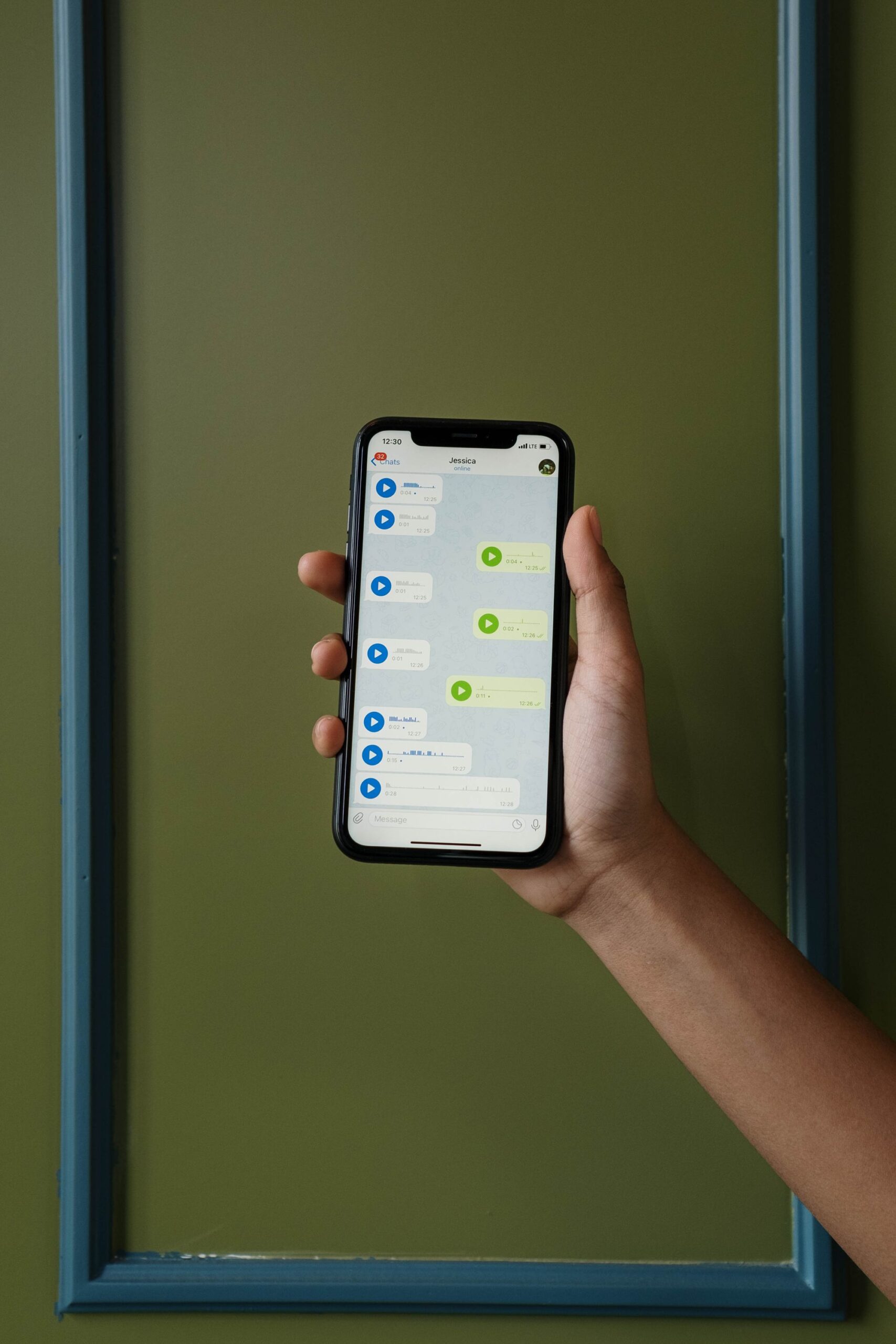
A LinkedIn message from an “HR manager” with a familiar company logo can feel like a lucky break, especially when the whole process moves fast and never once requires a video call. Fake remote job offers on LinkedIn and WhatsApp are built to exploit exactly that eagerness. Here’s how the pattern typically unfolds, and what to check before you hand over any information or money.
How the Scam Works
Step 1: The Unsolicited Outreach
A message arrives on LinkedIn or WhatsApp from someone claiming to be an HR manager or recruiter at a recognizable company, offering a remote role the recipient never applied for.
Step 2: The Chat-Only Interview
The entire “interview” happens through text messages, with a handful of generic questions and no video call, no phone screen, and no real assessment of the applicant’s background.
Step 3: The Polished Offer Letter
A professional-looking PDF offer letter arrives quickly, often using the real company’s logo and branding, confirming a salary and start date.
Step 4: The Ask
Before the first day, the new hire is asked to provide sensitive personal information such as a Social Security number or bank details for “onboarding,” and/or to purchase equipment like a laptop from a specific vendor, with a promise of reimbursement.
Step 5: The Silence
Once the money is sent or the personal information is handed over, the recruiter goes quiet, the reimbursement never comes, and there is no actual job on the other end.
A Composite Example (Illustrative, Not a Real Case)
Imagine someone receives a LinkedIn message from an “HR manager” at a well-known company, offering a remote coordinator role. The entire interview happens over chat, and within a couple of days an official-looking offer letter arrives by PDF, complete with the company’s logo. The recruiter explains that new remote hires must purchase their own laptop from an “approved vendor” and will be reimbursed on their first paycheck. The applicant buys the laptop and sends the receipt, after which the recruiter stops responding and the promised start date quietly passes. This scenario is a composite built from commonly reported patterns — it does not describe a real person, company, or event.
Red Flags That Get Missed
- No video interview at any point in the hiring process, even for a fully remote role.
- Being contacted out of the blue for a job you never applied to.
- A recruiter using a generic email address (Gmail, Outlook, or similar) instead of the company’s actual domain.
- Requests for a Social Security number, bank account details, or other sensitive information before any formal, verified hiring process is complete.
- Any instruction to personally purchase equipment upfront, even with a promise of reimbursement.
- Pressure to accept the offer or complete onboarding steps quickly.
How to Protect Yourself
- Verify the recruiter through the company’s official careers page or HR contact, rather than relying only on what they tell you.
- Insist on a live video interview before taking any offer seriously, and treat a refusal or excuse as a major warning sign.
- Check that all communication comes from the company’s actual email domain, not a free personal email service.
- Never send a Social Security number, bank details, or ID documents until you’ve independently confirmed the job and the employer through a verified, secure onboarding process.
- Never buy equipment upfront for a promised reimbursement — legitimate employers typically provide equipment directly or reimburse through a documented, established process.
- Check the recruiter’s and company’s LinkedIn presence for real employee connections, an established posting history, and a verified page, and search “[company name] hiring scam.”
If You’ve Already Sent Money or Personal Information
If you sent money, contact your bank or payment provider immediately to ask about a reversal or dispute. If you shared a Social Security number, bank details, or ID documents, treat this as identity theft: place a fraud alert or credit freeze with the major credit bureaus, monitor your accounts and credit report closely, and in the United States, file a report at IdentityTheft.gov for a personalized recovery plan. Preserve every message, the offer letter, and any payment records.
Also report the recruiter’s profile to LinkedIn or WhatsApp directly, and notify the real company being impersonated so it can warn other applicants.
Report to your country’s official cybercrime or fraud authority:
- United States: FBI Internet Crime Complaint Center (IC3) — ic3.gov
- United Kingdom: Action Fraud — actionfraud.police.uk or reportfraud.police.uk (0300 123 2040)
- Canada: Canadian Anti-Fraud Centre — antifraudcentre-centreantifraude.ca, report at reportcyberandfraud.canada.ca
- Australia: Scamwatch (National Anti-Scam Centre / ACCC) — scamwatch.gov.au, report at scamwatch.gov.au/report-a-scam
If you’re outside these countries, search for your national police cybercrime reporting unit or financial regulator — most countries now have a dedicated online reporting channel.
Frequently Asked Questions
Can a real company hire someone entirely through chat with no video call?
It’s very uncommon for a legitimate employer, even for remote positions, to skip a live video interview entirely. Some form of real-time verification is standard practice, and its complete absence is one of the strongest signals of a fake job offer.
Should I ever buy my own equipment before my first day for a promised reimbursement?
No. Legitimate employers typically ship equipment directly or handle purchases through an established, documented reimbursement process after employment is confirmed, not by directing a new hire to buy from a specific vendor before day one.
How do I verify that a recruiter contacting me is legitimate?
Go to the company’s official careers page or main website and look for the position or a general HR contact independently, rather than clicking links or replying to contact details the recruiter provided. A mismatch between the recruiter’s email domain and the company’s real domain is a clear warning sign.
What if the scam is impersonating a company I recognize and trust?
Scammers frequently borrow the names and logos of well-known companies specifically because they carry built-in trust. Recognizing the company name doesn’t verify the recruiter, so confirm directly through the company’s own official channels before proceeding.
What should I do if I already gave out my Social Security number?
Treat it as identity theft right away: place a fraud alert or credit freeze with the major credit bureaus, monitor your bank and credit accounts closely, and file a report with your country’s identity theft resource, such as IdentityTheft.gov in the United States, to get a personalized recovery plan.
Browse more resources in our Scam Awareness category.