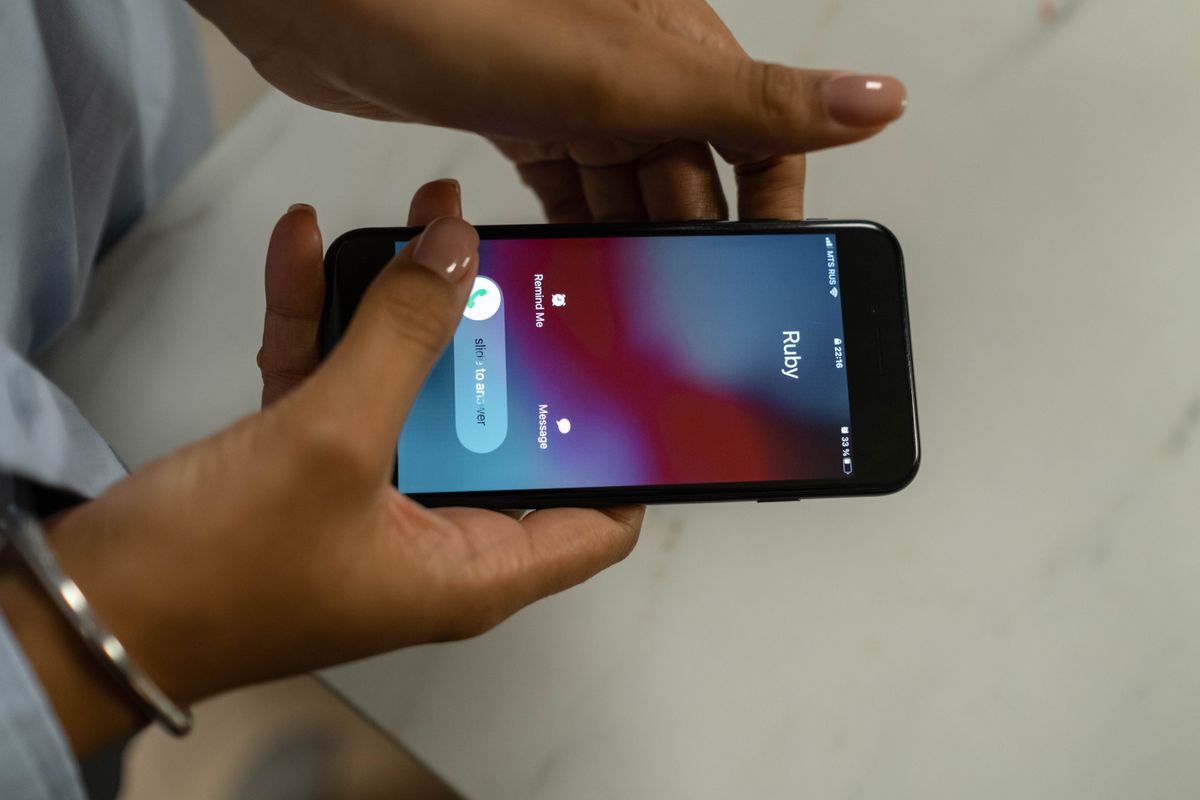
Hearing your own child’s voice, panicked and asking for help, used to be about as reliable a signal as existed. AI voice cloning has quietly removed that certainty — a few seconds of publicly available audio, from a social media video or even a voicemail greeting, is now enough to generate a convincing fake call from someone you know. The technology is genuinely impressive; the way it’s being used against families and employees is the part worth understanding closely. Here’s how these calls are built, and why “hang up and call back” has become one of the most important habits anyone can adopt.
How the Scam Works
Step 1: Collecting a Short Voice Sample
Scammers gather a short clip of someone’s real voice — from a public social media video, a podcast appearance, a voicemail greeting, or even a previous phone call — often just a few seconds is enough for current AI voice-cloning tools to generate convincing new speech in that same voice.
Step 2: A Manufactured Crisis Requiring Immediate Action
The call presents an urgent, emotionally distressing scenario — a family member claiming to have been in an accident or arrested, or a “boss” instructing an employee to urgently wire funds or buy gift cards — engineered specifically to short-circuit calm, careful thinking.
Step 3: Background Noise and Pressure Tactics That Discourage Verification
Crying, background chaos, or a stated reason why the person can’t talk long or can’t be called back directly (a “confiscated phone,” a “bad connection”) are layered on top of the cloned voice to discourage the listener from pausing to verify independently.
Step 4: A Payment Method Chosen for Speed, Not Traceability
The requested payment is almost always something fast and difficult to reverse — a wire transfer, gift cards read out over the phone, or cryptocurrency — rather than a payment method that would allow time for the request to be questioned or reversed.
A Composite Example (Illustrative, Not a Real Case)
Imagine a parent receives a call and hears what sounds exactly like their adult child’s voice, crying and saying they’ve been in a car accident and need bail money sent immediately, with a “police officer” then taking over the call to give payment instructions. In a panic, the parent wires money to the account provided. When they reach their actual child directly afterward, they’re safe at work, with no accident and no arrest. This scenario is a composite built from commonly reported patterns — it does not describe a real person or event.
Red Flags That Get Missed
- A crisis call demanding immediate payment before there’s time to think or verify independently.
- A reason given for why the caller can’t be called back directly, or why the “family member” can’t stay on the line long.
- A request for payment specifically by wire transfer, gift cards, or cryptocurrency, rather than any more traceable method.
- A second person (a “lawyer,” “officer,” or “manager”) taking over the call to handle payment logistics.
- Slightly off pacing, emotion, or word choice in the voice, even if the overall sound is convincing — current cloning tools are good but not always perfect on natural conversational rhythm.
- The same urgency pattern showing up in a workplace context, with a cloned “executive’s” voice instructing an unusual, urgent payment.
How to Protect Yourself
- Hang up and call the person back directly on a number you already have, rather than continuing on the incoming call or using any number the caller provides.
- Agree on a family “safe word” in advance that a real emergency call would include, which a cloned-voice scam call won’t know to say.
- Treat any urgent request for wire transfers, gift cards, or crypto as an automatic reason to pause and verify, regardless of how convincing or distressing the call sounds.
- Establish a workplace policy requiring a second verification step (a callback, a separate approval) for any urgent payment request, even one that appears to come directly from an executive.
- Be mindful of how much clear audio of your own voice is publicly available on social media, knowing it takes only a short clip to clone convincingly.
- Slow down deliberately when a call is designed to make you feel rushed — the pressure itself is a tool being used against you, not a reason to skip verification.
If You’ve Already Sent Money After a Call Like This
Contact your bank immediately to attempt to stop or reverse the transfer — wire transfers and gift cards are hard to recover but acting within minutes to hours gives the best chance. Contact the real person the call claimed to be from directly, to confirm they’re safe and were never actually involved.
Report to your country’s official fraud authority:
- United States: FTC — reportfraud.ftc.gov, and the FBI Internet Crime Complaint Center (IC3) — ic3.gov
- United Kingdom: Action Fraud — actionfraud.police.uk or reportfraud.police.uk (0300 123 2040)
- Canada: Canadian Anti-Fraud Centre — antifraudcentre-centreantifraude.ca, report at reportcyberandfraud.canada.ca
- Australia: Scamwatch (National Anti-Scam Centre / ACCC) — scamwatch.gov.au, report at scamwatch.gov.au/report-a-scam
If you’re outside these countries, search for your national consumer protection agency or fraud reporting unit — most countries now have a dedicated online reporting channel.
Frequently Asked Questions
How much audio does it actually take to clone someone’s voice convincingly?
Modern AI voice-cloning tools can produce a convincing result from just a few seconds of clear audio, which is often already publicly available through social media videos, podcast clips, or voicemail greetings.
Is a family safe word actually effective against this?
Yes, it’s one of the more reliable defenses available right now – a cloned voice can sound right, but it won’t know a private, pre-agreed word unless that information has also been separately compromised.
Why do these scams push for wire transfers or gift cards specifically?
Both are fast to send and extremely difficult to reverse once completed, which matters a great deal to a scammer relying on the victim acting before they have time to verify or reconsider.
Can businesses be targeted by this, not just families?
Yes – a cloned executive’s voice instructing an urgent wire transfer or unusual payment to an employee is a documented pattern, which is why a mandatory second verification step for urgent payment requests matters at the workplace level too.
What’s the single most useful habit for avoiding this scam?
Hanging up and calling the person back directly on a number you already have, rather than continuing the original call or using any number the caller provides, defeats this scam regardless of how convincing the cloned voice sounds.
Browse more resources in our Scam Awareness category.
1 thought on “AI Voice Cloning Scams: Why That Panicked Call From “Family” or Your “Boss” Might Not Be Real”