A stock tip from a confident stranger in a group chat can feel like an insider edge — which is precisely the illusion pump-and-dump groups are built to create. These schemes use coordinated hype to inflate a stock’s price, then sell into the buying pressure they manufactured, leaving later buyers holding shares that quickly lose most of their value. Here’s how these schemes are typically built, and what separates real analysis from manufactured hype.
How the Scam Works
Step 1: The Target Selection
Organizers pick a low-priced, thinly-traded stock — often a small-cap or penny stock — where a relatively small amount of coordinated buying can move the price significantly.
Step 2: The Coordinated Hype Campaign
A “signal group,” newsletter, or social media presence pushes the stock with urgent, confident language — fabricated catalysts, exaggerated growth stories, or claims of insider knowledge — timed to a specific buy window.
Step 3: The Manufactured Price Surge
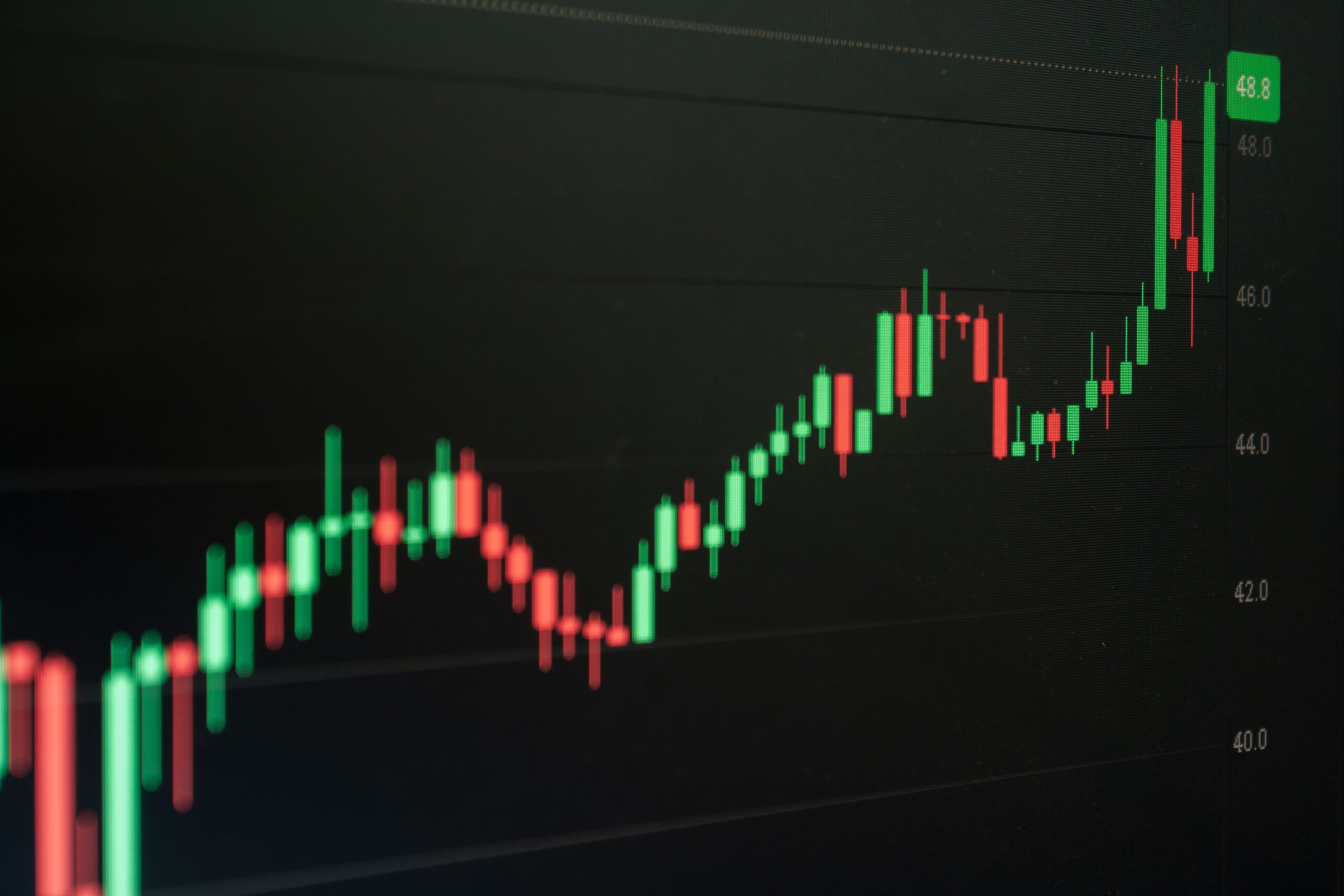
As group members buy in on cue, the price genuinely rises, and that real price movement becomes further “proof” used to pull in even more buyers who see the stock actively climbing.
Step 4: The Dump
Organizers, who accumulated shares before the hype campaign began, sell into the buying pressure they created. The price collapses quickly once selling exceeds new buying, leaving later buyers holding a much less valuable position.
A Composite Example (Illustrative, Not a Real Case)
Imagine someone joins a Telegram group promising “insider alerts” on stocks about to break out. The group calls a specific penny stock, claiming a major partnership announcement is imminent, and the price does start climbing as members pile in. The member buys in near the top, expecting the announcement any day. No such partnership materializes, the price falls sharply within 48 hours, and the group’s admins go quiet on questions about it while continuing to promote a new “next big call.” This scenario is a composite built from commonly reported patterns — it does not describe a real person, stock, or event.
Red Flags That Get Missed
- Urgent, time-pressured language pushing you to buy immediately, often around a specific “call time.”
- Claims of insider knowledge or guaranteed upcoming news, which would itself be illegal to trade on if genuinely true.
- A low-priced, thinly-traded stock with little independent analyst coverage or mainstream financial news presence.
- The group or newsletter’s track record is self-reported, with no independently verifiable results.
- Group admins are anonymous or use pseudonyms, with no verifiable trading credentials or regulatory registration.
- A sudden, sharp price rise with no underlying news or earnings event actually explaining it.
How to Protect Yourself
- Never buy a stock based solely on a group chat, social media post, or unsolicited tip — treat it as a starting point for your own independent research, not a signal to act on.
- Check trading volume and price history before buying — a sudden spike with no real news behind it is a classic pump-and-dump pattern.
- Verify any claimed news or partnership independently through the company’s own official filings or press releases, not the group’s summary of it.
- Be skeptical of guaranteed or insider-knowledge claims — legitimate investing carries genuine uncertainty, and real insider trading is illegal.
- Research whether the promoter or group has a documented history of pump-and-dump activity or regulatory action against it.
- Only invest what you could afford to lose entirely in any speculative, low-priced stock, regardless of how confident the source sounds.
If You’ve Already Lost Money to a Scheme Like This
Stop following further calls from the same group or promoter immediately. Preserve screenshots of the group’s messages, the timing of the calls relative to the stock’s price movement, and your own trade confirmations, since this documentation matters for reporting to securities regulators.
Report to your country’s official securities regulator or fraud authority:
- United States: SEC’s tip system — sec.gov/tcr, and the FBI Internet Crime Complaint Center (IC3) — ic3.gov
- United Kingdom: Financial Conduct Authority — fca.org.uk, or Action Fraud — actionfraud.police.uk
- Canada: Canadian Anti-Fraud Centre — antifraudcentre-centreantifraude.ca, report at reportcyberandfraud.canada.ca
- Australia: ASIC — asic.gov.au, or Scamwatch — scamwatch.gov.au
If you’re outside these countries, search for your national securities regulator or financial fraud reporting unit — most countries now have a dedicated online reporting channel.
Frequently Asked Questions
What makes a stock vulnerable to a pump-and-dump scheme?
Low-priced stocks with thin trading volume and little mainstream analyst coverage are easiest to manipulate, since a relatively small amount of coordinated buying can move the price significantly.
Is it illegal to run a pump-and-dump scheme?
Yes, in the US, UK, Canada, and Australia, coordinated stock price manipulation for personal gain is illegal securities fraud, and regulators actively investigate and prosecute these schemes.
How is a pump-and-dump different from a legitimate stock tip?
Legitimate analysis is typically transparent about its reasoning and sourced from verifiable information, while pump-and-dump promotion relies on urgency, unverifiable insider claims, and coordinated timing rather than substantive research.
Why does the price actually go up if it’s a scam?
The price rise is real, driven by group members genuinely buying in response to the hype. That real price movement is then used as further proof to attract more buyers, right before organizers sell their own shares.
Can I recover money lost in a pump-and-dump scheme?
Recovery is uncommon and depends heavily on regulatory action against the specific scheme. Reporting to your securities regulator with documentation of the group’s messages and timing is the most useful step available.
Browse more resources in our Scam Awareness category.